 Myria
Myria
Exploring Holistic Approaches to Healthy Weight Management and Sustained Vitality
Understanding the fundamentals of wellness through a comprehensive, science-based perspective
Educational content only. No promises of outcomes.
Understanding Weight Balance
Healthy weight balance is an integral part of overall well-being, encompassing far more than a single number on a scale. It represents a state of equilibrium between energy intake, energy expenditure, and the body's metabolic processes.
Rather than pursuing rapid or dramatic transformations, sustainable weight management focuses on gradual, consistent changes that support long-term vitality. This approach considers multiple factors that influence body composition and health, including genetics, lifestyle habits, environmental factors, and individual physiology.
Weight management is best understood within the context of holistic health—integrating proper nutrition, adequate physical activity, quality sleep, and effective stress management. These interconnected elements work together to support the body's natural processes and promote sustained wellness.
- Genetic factors influence individual metabolic rate and body composition
- Lifestyle habits accumulate over time to shape long-term health outcomes
- Individual variability means different approaches work for different people
- Sustainable practices are more effective than rapid, restrictive changes
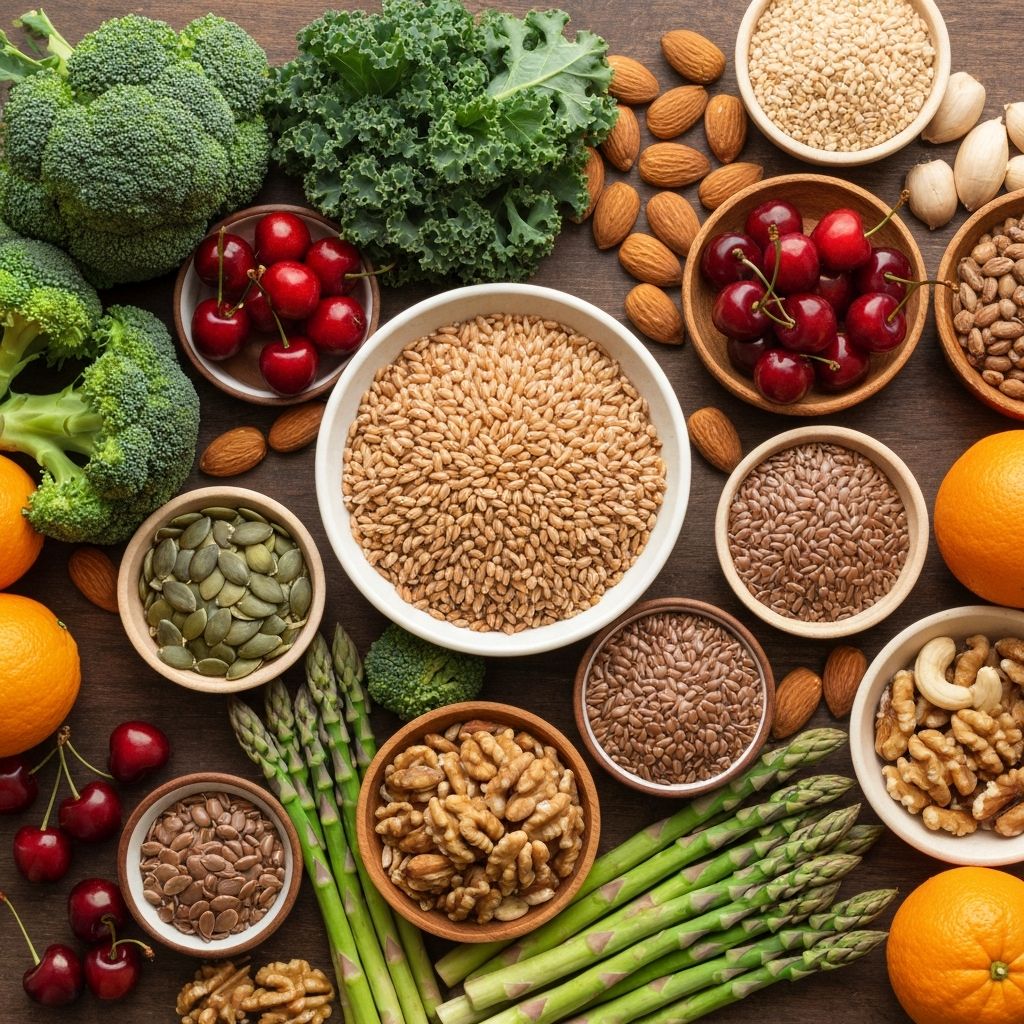
The Role of Nutrition
Nutrition forms the foundation of health and vitality. Food provides the body with essential macronutrients (carbohydrates, proteins, and fats) and micronutrients (vitamins and minerals) necessary for every biological function, from energy production to immune support.
Understanding macronutrients helps in creating a balanced diet:
- Carbohydrates - Primary energy source found in whole grains, fruits, vegetables
- Proteins - Essential for tissue repair and maintenance, found in legumes, nuts, fish, eggs
- Fats - Important for hormone production and nutrient absorption, from nuts, seeds, oils
Key micronutrients include:
- Iron - Oxygen transport and energy production
- Calcium - Bone health and muscular function
- Vitamin D - Immune function and calcium absorption
- Magnesium - Muscle and nerve function
- Antioxidants - Protection against cellular stress
Whole foods—minimally processed foods in their natural state—provide the most complete nutritional profiles. They contain fiber, which supports digestive health, as well as phytonutrients and antioxidants that support overall wellness.

Physical Activity for Vitality
Physical activity is essential for maintaining health and vitality throughout life. Beyond calorie expenditure, movement provides numerous physiological and psychological benefits that contribute to long-term well-being.
Benefits of regular physical activity include:
- Improved cardiovascular health and blood circulation
- Enhanced muscle strength, flexibility, and bone density
- Better metabolic function and energy levels
- Improved mood and reduced stress through endorphin release
- Better sleep quality and cognitive function
- Reduced risk of chronic health conditions
Different forms of movement:
Walking in nature offers a gentle, accessible form of activity that can be incorporated daily. It improves cardiovascular health, aids digestion, and provides mental clarity. Stretching and gentle movement practices enhance flexibility and body awareness, reducing tension and improving mobility. Light exercise such as gardening, dancing, or recreational activities provides enjoyable movement while maintaining cardiovascular fitness.
The most effective approach is choosing activities you enjoy and can sustain long-term, rather than pursuing intensive regimens that are difficult to maintain. Consistency and gradual progression are more beneficial than extreme or sporadic efforts.
Sleep and Stress Management
Sleep and stress management are foundational pillars of health that directly influence metabolic function, immune system strength, and overall vitality. The quality and duration of sleep affect nearly every aspect of health, from energy levels to hormonal balance.
Sleep's role in health:
- Cellular repair and regeneration during deep sleep phases
- Hormonal regulation, including appetite hormones and growth hormone
- Memory consolidation and cognitive function
- Immune system strengthening
- Metabolism optimization
Tips for improving sleep quality:
- Maintain a consistent sleep schedule, even on weekends
- Create a cool, dark, quiet sleeping environment
- Limit screen exposure one hour before bed
- Avoid caffeine in the afternoon and evening
- Practice relaxation techniques before sleep
Stress management practices:
Chronic stress elevates cortisol levels, which can affect metabolism, digestion, and overall health. Effective stress reduction techniques include meditation, deep breathing exercises, time in nature, creative pursuits, and social connection. These practices activate the parasympathetic nervous system, promoting relaxation and healing.
Natural Ingredients for Well-being
Turmeric
Contains curcumin, known for its antioxidant and anti-inflammatory properties. Traditionally used in Asian cuisines for centuries, turmeric supports digestive health and general wellness when incorporated into a balanced diet.
Ginger
A root with warming properties that supports digestion and overall wellness. Ginger has been used historically in traditional medicine for its general supportive benefits and is commonly enjoyed as tea or in cooking.
Berries
Rich in antioxidants and fiber, berries support overall health and provide natural sweetness without excessive sugar. Their nutritional density makes them valuable additions to a balanced diet for sustained vitality.
Green Tea
Contains beneficial compounds that support general wellness and provide a gentle energy boost. Traditionally valued in Asian cultures, green tea is known for its polyphenols and antioxidant properties.
Omega-3 Rich Foods
Fish, flaxseeds, and chia seeds contain omega-3 fatty acids essential for cellular health. These nutrients support brain function, cardiovascular health, and overall vitality as part of a balanced diet.
Leafy Greens
Nutrient-dense vegetables packed with vitamins, minerals, and antioxidants. Leafy greens support overall health through their rich micronutrient profiles and should be regular components of balanced nutrition.

Natural Ingredients in Context
Throughout history and across cultures, natural ingredients have been incorporated into dietary and wellness practices. Different traditions recognize the value of specific herbs, spices, and plant-based foods for supporting general health and well-being.
The scientific community continues to study these traditional practices, often validating the nutritional and beneficial properties that cultures have recognized for generations. When incorporated as part of a balanced, varied diet, natural ingredients contribute to overall nutrition and vitality.
It's important to understand that natural ingredients support health as components of a comprehensive lifestyle approach—they work best alongside proper nutrition, regular activity, adequate sleep, and stress management.
Historical Perspectives on Health
Different cultures throughout history have developed sophisticated approaches to health and longevity. Traditional Chinese medicine emphasizes balance and harmony within the body. Ayurveda from India focuses on individual constitution and the balance of energies. Mediterranean and other traditional diets have been studied for their association with longevity and health outcomes.
These various traditions share common themes: the importance of whole foods, regular movement, stress reduction, adequate rest, and social connection. Modern scientific research increasingly validates many traditional practices, while also providing mechanistic understanding of how and why certain approaches support health.
Understanding these historical perspectives enriches our appreciation for health practices and provides context for why certain approaches have endured across generations and cultures.
Metabolic Processes Explained
Metabolism encompasses all the chemical processes that allow the body to function. It includes catabolism (breaking down molecules for energy) and anabolism (building new molecules and tissues). Understanding these processes helps contextualize how nutrition and activity support health.
Key metabolic processes:
- Digestion - Breaking down food into usable nutrients
- Cellular Respiration - Converting nutrients into ATP (cellular energy)
- Protein Synthesis - Building and maintaining muscle and tissue
- Hormone Regulation - Coordinating metabolic rate and nutrient utilization
- Thermoregulation - Maintaining body temperature through energy expenditure
Metabolic rate varies among individuals based on age, body composition, activity level, genetics, and hormonal balance. The body's metabolic efficiency improves with regular physical activity and adequate nutrition, supporting long-term health and vitality.

Mindful Living Practices
Mindfulness—the practice of present-moment awareness—enhances overall well-being and supports healthier relationships with food and self. Mindful eating involves paying full attention to the eating experience: flavors, textures, satiety cues, and nutritional quality.
Benefits of mindful practices:
- Enhanced awareness of hunger and satiety signals
- Greater appreciation for food quality and taste
- Reduced stress and improved emotional regulation
- Better digestion and nutrient absorption
- Improved overall quality of life and life satisfaction
Mindfulness extends beyond eating into daily life: taking conscious breaths, appreciating nature, engaging fully in activities, and cultivating awareness of thoughts and emotions. These practices support mental health, stress reduction, and sustainable lifestyle changes.

Environmental Factors and Health
Access to natural spaces, air quality, water quality, and overall environmental conditions significantly influence health outcomes. Exposure to nature—whether through parks, gardens, forests, or natural water settings—provides measurable health benefits including stress reduction, improved mood, and enhanced physical activity.
Environmental influences on wellness:
- Natural light exposure supports sleep-wake cycles and vitamin D production
- Access to parks and green spaces encourages physical activity
- Air quality directly affects respiratory and cardiovascular health
- Clean water access is fundamental to all health processes
- Environmental toxin exposure impacts long-term health outcomes
Creating personal environments that support health—access to whole foods, opportunities for movement, natural light, clean air, and time in nature—is an important aspect of sustainable wellness. This extends beyond individual choices to include considerations of food systems, environmental quality, and community design.
Building Sustainable Habits
Long-term health benefits come from consistent, sustainable practices rather than dramatic, short-term changes. Building healthy habits involves understanding the process of behavior change and creating environments that support new practices.
Principles of sustainable habit formation:
- Start small with manageable changes that can be maintained
- Focus on adding beneficial practices rather than restriction
- Track progress and adjust approaches based on what works for you
- Build habits gradually, allowing time for them to become automatic
- Create environments and social support that reinforce healthy behaviors
- Practice self-compassion during the change process
- View setbacks as learning opportunities rather than failures
Research shows that it takes time for behaviors to become automatic habits. Rather than pursuing perfection, the goal is consistent progress toward health-supporting behaviors. Small, daily actions compound over time to create significant health outcomes. This approach respects individual differences and circumstances while supporting sustainable transformation toward lasting vitality.

Integration and Conclusion
Healthy weight management and sustained vitality are not achieved through single interventions or quick fixes, but rather through integrated approaches that address the multiple dimensions of health. Nutrition, physical activity, sleep, stress management, and environmental factors all work together in supporting the body's natural processes.
Understanding these fundamentals provides a framework for making informed decisions about your health and well-being. Each person's path is unique, and what works for one individual may differ for another based on genetics, lifestyle, preferences, and circumstances.
The goal is not a specific body shape or weight, but rather vitality—feeling energized, capable, and well within your own body. This comes from treating your body with respect, providing it with proper nutrition and movement, adequate rest, and managing stress effectively.